
Missing teeth can severely impact your ability to enjoy food. Chewing becomes difficult, and certain foods may become off-limits, resulting in nutritional deficiencies and a diminished quality of life. While dentures offer a solution, they often come with issues such as slipping, discomfort, and difficulty in maintaining a natural look. Fortunately, All-on-4 dental implants are revolutionizing the way we think about replacing missing teeth, offering a permanent, stable solution that enhances both function and aesthetics.
Is It Hard to Eat with All-on-4 Implants?
A common concern among patients considering All-on-4 implants is whether eating will be difficult with the new implants. The short answer is no—All-on-4 implants are designed to make eating easier and more enjoyable than traditional dentures. Although there may be an initial adjustment period, once the implants have fully healed and integrated, patients typically experience a significant improvement in their ability to eat a wide variety of foods comfortably.
What Are All-on-4 Dental Implants?
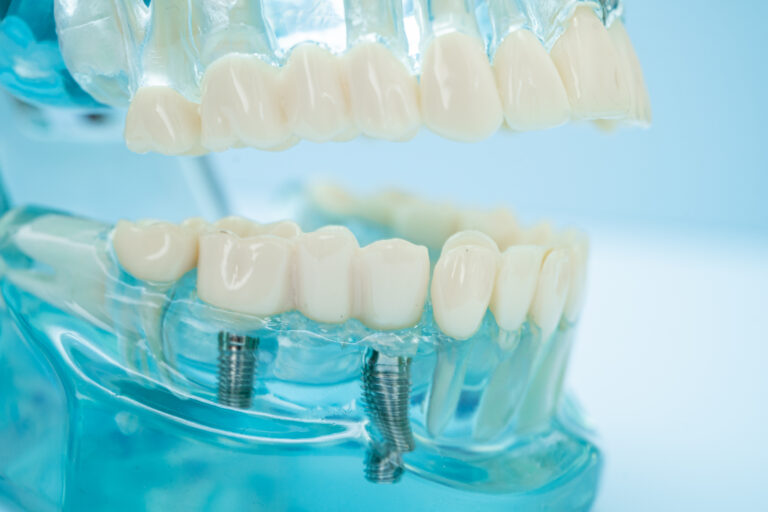
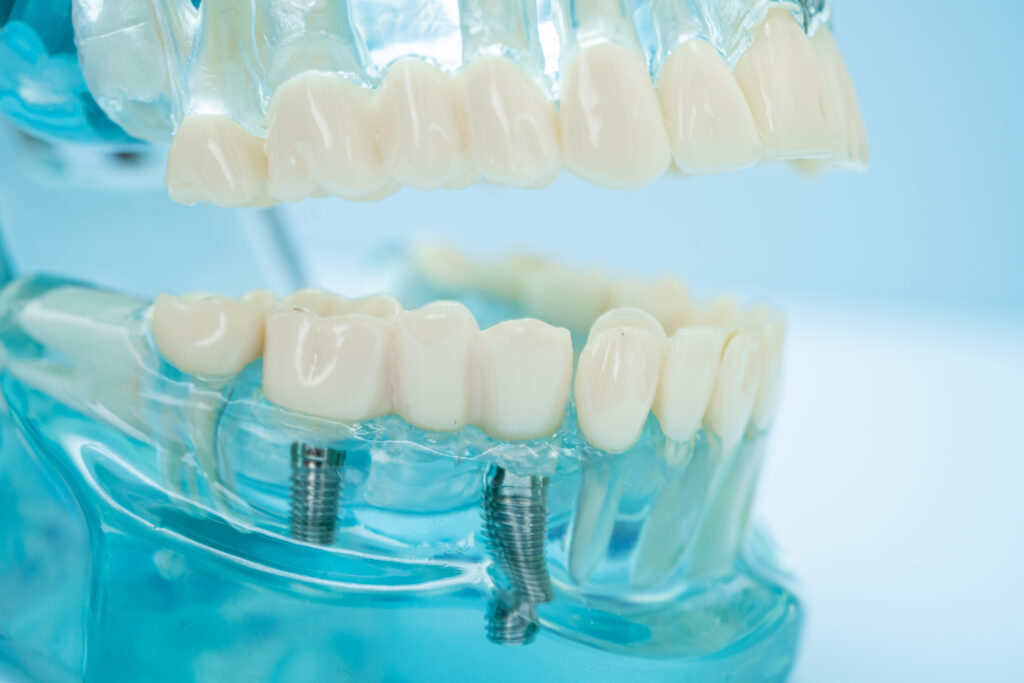
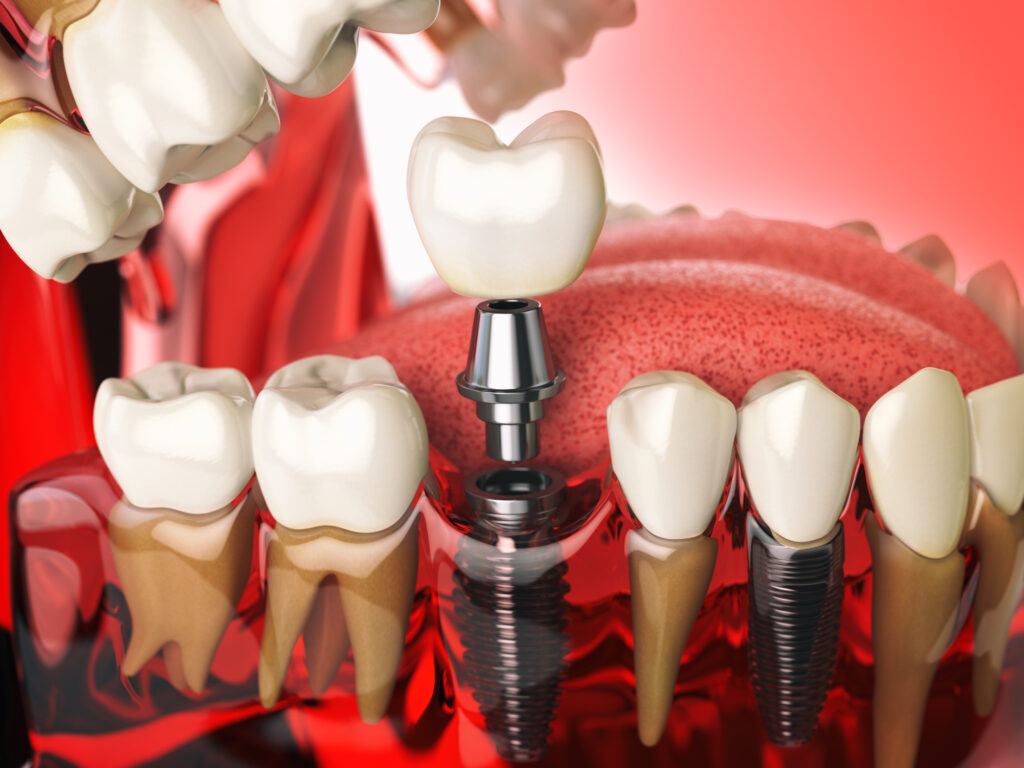
All-on-4 dental implants represent a ground-breaking solution for individuals who have lost most or all of their teeth. This procedure involves placing four implants into the jawbone, which act as anchors for a complete set of prosthetic teeth. Unlike removable dentures, All-on-4 implants provide exceptional stability, preventing the shifting and discomfort commonly associated with traditional dentures. This robust solution restores both the appearance and functionality of your smile, helping you regain confidence.
Why Do Dentists Put Restrictions After All-on-4 Implant Surgery?
After undergoing All-on-4 implant surgery, patients must follow certain dietary and lifestyle restrictions during the recovery process. These restrictions are crucial for ensuring that the implants integrate properly with the jawbone, known as osseointegration.
Initial Recovery Period
After the All-on-4 implant surgery, your body needs time to heal. While temporary dentures are often provided immediately, patients typically experience some discomfort and soreness in their mouths during the initial weeks. This period of healing may make it challenging to eat some foods.
Importance of Diet Restrictions
Following the right diet is crucial during the early stages of healing. Chewing hard or chewy foods can place excessive pressure on the implant sites, hindering the healing process. To aid recovery, dentists recommend a diet of softer foods that are easier to chew and less likely to irritate the implant sites. These dietary restrictions are temporary and ensure that the implants bond securely with the jawbone.
Healing Timeline
The healing process for All-on-4 implants typically takes between 4 to 6 months. During this period, the implants will fuse with the jawbone and surrounding tissues, ensuring their stability and long-term durability. This process is essential for the success of the implants and sets the stage for attaching permanent prosthetic teeth.
Transition to Permanent Dentures
Once the implants have fully integrated, patients will transition from temporary to permanent dentures. These permanent dentures are custom-made to fit securely onto the implants, providing a natural-looking, stable bite. By this stage, patients can expect to resume eating a diverse range of foods comfortably.
Is There Anything I Can’t Eat with All-on-4 Implants?
Although All-on-4 implants are durable, they are not indestructible. It’s essential to avoid chewing on certain non-food items like ice cubes, pencils, or fingernails, as these can damage the implants. Additionally, your oral surgeon may advise you to avoid very hard or sticky foods, such as hard candies or chewing gum, that could potentially damage or dislodge the implants.
Adequate bone density is also necessary for successful osseointegration. If the bone quality is insufficient, the implant may fail to bond properly, which could compromise chewing ability and overall functionality.
Enjoying Food with All-on-4 Implants: A Long-Term Benefit
One of the main advantages of All-on-4 implants is that they allow you to eat almost anything you enjoy without the worries of slipping dentures. Unlike traditional dentures, which can restrict your diet, All-on-4 implants mimic the natural function of your teeth, enabling you to enjoy a full range of foods with confidence.
Additionally, All-on-4 implants are easy to care for, requiring only regular oral hygiene practices to maintain their longevity and functionality. Patients can go about their daily routines without the hassle of removing and cleaning traditional dentures, providing a more natural and hassle-free experience.
Expert Insights from Ammons Dental by Design
At Ammons Dental by Design, our team of experienced professionals is dedicated to ensuring that every patient receives personalized care and guidance throughout their implant journey. According to Dr. Michael Ammons, “Many of our patients are amazed at how well they can eat with All-on-4 implants. The initial adjustment period is temporary, and once the implants are fully integrated, patients can enjoy a wide variety of foods with ease.”
Dr. Ammons emphasizes that patients should maintain proper oral hygiene and keep up with regular dental check-ups to ensure the implants continue to perform at their best over the years.
Conclusion
While there may be an initial adjustment period after receiving All-on-4 implants, eating with these implants is generally not difficult once the mouth has healed. Patients can regain the ability to eat comfortably and enjoy a wide variety of foods without the restrictions that often come with traditional dentures. If you’re considering All-on-4 implants, schedule a consultation with Ammons Dental by Design today. Our team is here to provide expert advice, tailored care, and guidance to help you restore your smile and enjoy the foods you love again.
Contact Ammons Dental by Design
Have questions or want to learn more about how All-on-4 implants can benefit you? Contact our office today to schedule a consultation and take the first step toward a functional, beautiful smile that lasts a lifetime.
FAQs
Can You Eat with All-on-Four Dental Implants?
After the initial healing phase, most patients can return to eating a regular diet. However, it’s essential to follow your dentist’s instructions and avoid hard foods during the early stages of recovery.
Does Food Get Stuck Under All-on-4 Implants?
Yes, food particles can accumulate under your implants, especially during the first few weeks. If this becomes an issue, your dentist can make adjustments to improve the fit and help reduce the accumulation of food.
Is It Hard to Talk with All-on-4 Dental Implants?
Some patients may experience mild difficulty pronouncing certain words after receiving All-on-4 implants. This typically improves as they get accustomed to the new dental prosthetics.