
Dental implants are an increasingly popular solution for individuals seeking tooth replacement, offering a more permanent and stable option compared to dentures and bridges. While dental implants have a high success rate, many people wonder, “Are dental implants safe?” Understanding the safety considerations associated with the procedure is vital before undergoing treatment. In this article, we’ll examine the safety of dental implants, highlight potential risks, and provide insights on who is an ideal candidate for this procedure.
Are Dental Implants Safe, or Are There Any Risks Involved?
Dental implants are widely regarded as a safe and effective method for replacing missing teeth. They are often recommended by dentists when other options like dentures may not offer the same benefits. However, as with any surgical procedure, dental implants carry certain risks that must be considered.
In the United States, dental implant systems are rigorously tested and must receive approval from the Food and Drug Administration (FDA). The FDA adheres to international standards when assessing the materials used in dental implants, ensuring they meet stringent safety protocols.
The dental implant procedure typically involves anesthesia, surgery, and a recovery period. While the process is generally safe, it is considered invasive and can be costly. Factors such as your overall health, age, and the condition of your gums and jawbone will influence the procedure’s success rate.
Possible Risks and Complications
While the safety record of dental implants is strong, some potential complications may arise during or after the procedure. These include:
- Surgical Issues: Damage to adjacent teeth, tissues, or sinus cavities, as well as nerve injuries, can occur during the surgery.
- Implant Failure: Instability in the implant can result in discomfort, affecting everyday functions like chewing and speaking.
- Infection: Infection is a potential risk during the healing phase, which may require additional treatment.
- Prolonged Healing: Some patients may experience longer-than-expected healing times.
- Tooth Sensitivity: Sensitivity may arise in the area around the implant, but this usually subsides after the healing period.
- Hygiene Challenges: Keeping the implant and adjacent teeth clean can be more challenging, which may increase the risk of infections or complications.
Is It Safe for Older Individuals to Get Dental Implants?
Dental implants are suitable for most healthy individuals, including older adults. However, for those over 60, there are additional considerations. A study from 2020 highlighted some factors older individuals should consider before opting for dental implants:
- Slower Healing: Older adults may experience slower recovery times after surgery.
- Existing Health Conditions: Conditions like diabetes or heart disease may impact the healing process and success rate of implants.
- Bone Health: Bone density can decrease with age, which could influence the stability of the implants.
Before undergoing the procedure, older adults should consult their dentist or oral surgeon to discuss any health concerns and assess the risks associated with dental implants.
How Often Do Complications Occur with Dental Implants?
While dental implants are known for their longevity, complications can still arise, especially in individuals with pre-existing oral health issues. In a 2022 study, it was found that 93% of dental implants lasted for at least 20 years, particularly tissue-level implants. However, people with gum disease or poor oral hygiene may face higher risks of complications and implant failure.
Additionally, smoking significantly impacts the success rate of dental implants. Research shows that smokers have an 11% implant failure rate compared to 5% for non-smokers. A 2022 study further revealed that smokers are 140% more likely to experience implant failure than non-smokers.
Are Dental Implants Safe for All Candidates?
Dental implants are deemed safe for the vast majority of individuals who are in good health. Dentists have been successfully using dental implants for more than three decades, with a success rate of 90-95% over 10 years. Implants are designed to be a long-term solution, with many lasting 40-50 years. However, it is essential to ensure your dental health is optimal before proceeding with the procedure.
Those with severe gum disease may need to undergo treatment before dental implants can be placed. Additionally, it’s crucial to maintain good oral hygiene to ensure the implant’s longevity.
Is Getting Dental Implants Painful?
One of the most common concerns about dental implants is pain. Although the procedure may cause temporary discomfort, it is generally well-tolerated. Local or general anesthesia is used to numb the area during surgery, ensuring that patients experience minimal pain. Following the surgery, some discomfort or swelling may occur, but this can usually be managed with over-the-counter pain relievers. The pain typically subsides within a few days, and most patients recover with little to no long-term discomfort.
What Does the Dental Implant Procedure Involve?
The dental implant process involves several stages and can take a few months to complete. The steps typically include:
- Consultation and Assessment: Your dentist will assess your oral health, take X-rays, and discuss your options to ensure you’re a good candidate for dental implants.
- Tooth Extraction and Bone Grafting: If necessary, any remaining teeth will be removed, and a bone graft may be performed to prepare the jaw for the implant.
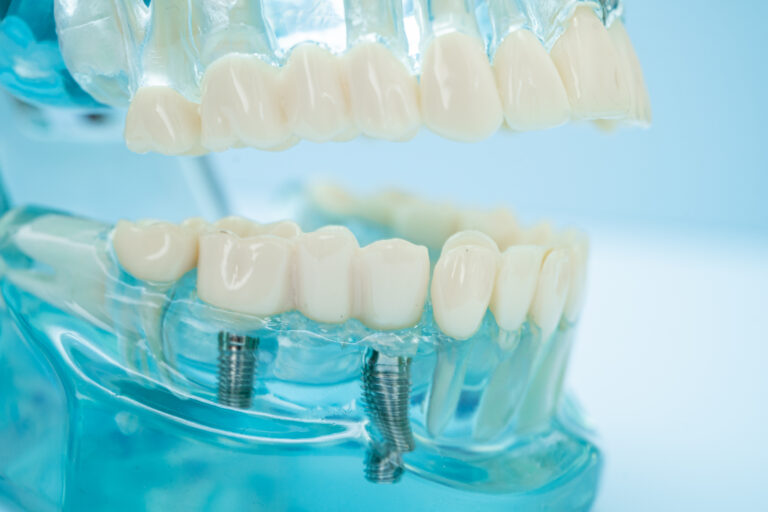
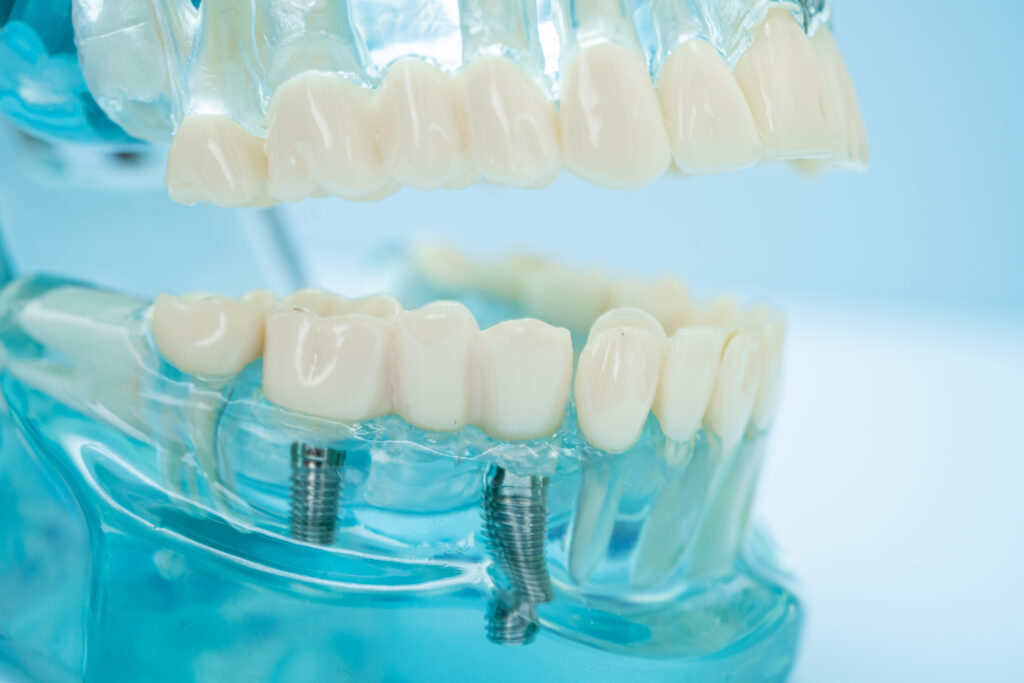
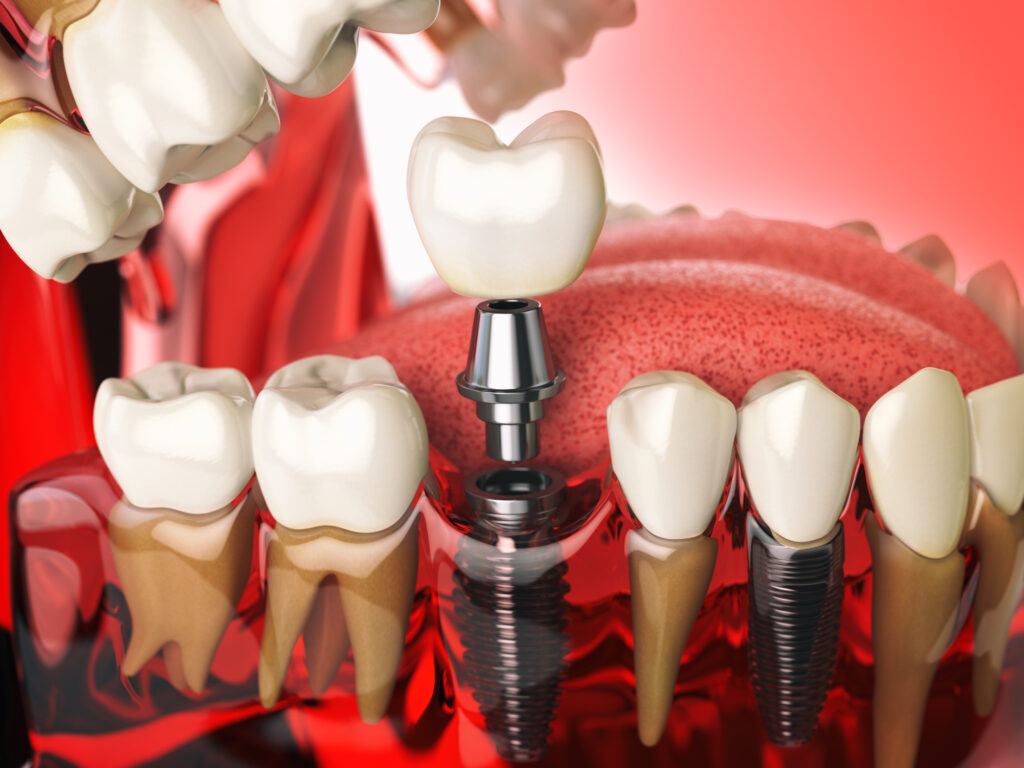
- Implant Placement: During the surgical procedure, a titanium post is placed into the jawbone beneath the gum line.
- Healing Period: The implant needs several months to fuse with the jawbone in a process called osseointegration.
- Crown Attachment: Once the implant is securely integrated, a crown or artificial tooth is placed on top.
Are You a Good Candidate for Dental Implants?
Certain factors can disqualify individuals from receiving dental implants. These include:
- Smoking: Smoking can hinder healing and increase the risk of implant failure.
- Health Conditions: Autoimmune diseases, diabetes, and osteoporosis can affect the success of the procedure.
- Gum Disease: Active gum disease must be treated before proceeding with implants.
- Medications: Certain medications, particularly those that affect calcium levels, can interfere with the healing process.
- Cancer Treatment: Chemotherapy or radiation therapy may compromise bone health, making implants less viable.
Ready for Dental Implants?
If you’re considering dental implants and want to learn more about their safety and whether you’re a suitable candidate, don’t hesitate to consult with a trusted dental professional. At Ammons Dental by Design in Summerville, SC, our team will help you determine if dental implants are the right solution for you. Contact us at (843) 380-8904 to schedule your consultation today!
FAQ
How safe are dental implants compared to other tooth replacement options?
Dental implants are often considered the safest and most reliable long-term tooth replacement option, offering better stability and durability than bridges or dentures.
What are the risks associated with dental implants?
Possible risks include infection, implant failure, nerve damage, and damage to surrounding teeth or tissues.
How can I ensure the safety of dental implants during the healing process?
Maintaining proper oral hygiene, attending follow-up appointments, and avoiding smoking are crucial for the safety and success of dental implants.