
Tooth decay is one of the most prevalent dental health issues worldwide. Studies indicate that approximately 80% of individuals will experience at least one cavity by the time they reach their 30s. Despite being a common issue, many people are unaware of the different types of cavities, especially those located between the teeth—referred to as interproximal cavities. These cavities can be particularly challenging to detect without professional help, as they are hidden between teeth and often go unnoticed in their early stages.
What Are Tooth Cavities?
A tooth cavity, also known as dental caries, is a small hole or damage that forms in a tooth due to the progressive breakdown of enamel. This decay process begins when acids produced by bacteria in the mouth erode the enamel, eventually leading to a cavity. Everyone is at risk of developing cavities, but maintaining proper oral hygiene and visiting your dentist regularly can significantly reduce this risk. Dental caries is commonly referred to as cavities due to the holes that form when decay advances into the enamel.
Common Types of Tooth Cavities
Tooth cavities can be categorized based on their location and the nature of the decay. There are three primary types:
- Smooth Surface Decay: This type of decay forms gradually along the smooth surfaces of teeth, often occurring between teeth. Commonly known as an interproximal cavity, it is prevalent among adults in their 20s.
- Pit and Fissure Decay: This occurs on the chewing surfaces of the back teeth (molars) and is especially common among teenagers. Due to the shape of these surfaces, it can progress quickly if left untreated.
- Root Decay: Root cavities typically affect adults with receding gums, exposing the tooth roots. The roots are more vulnerable to bacteria and plaque buildup, making this form of decay harder to prevent and treat.
How Prevalent Are Tooth Cavities?
Cavities are among the most common chronic dental problems globally. In fact, over 80% of individuals in the United States will experience a cavity by the time they reach their 30s. While cavities are often associated with children due to poor brushing habits and sugar consumption, adults are also at risk. Cavities can even develop around old fillings or childhood cavities that were never fully treated. Furthermore, adults with receding gums are at a higher risk of developing root cavities because the exposed tooth roots are more susceptible to decay.
What Causes Cavities Between Teeth?
Several factors contribute to the development of cavities, especially those between teeth. The primary cause is the accumulation of plaque—a sticky film of bacteria, acids, and food particles that coats the surface of teeth. These bacteria feed on carbohydrates from the foods and beverages we consume, converting them into acids. Over time, this acid erodes the enamel, leading to cavities.
Poor oral hygiene practices, such as inadequate brushing or skipping flossing, can leave plaque behind, allowing decay to progress. Regularly brushing and flossing, especially between teeth, is essential for removing plaque before it can cause significant damage.
Recognizing the Signs of Cavities Between Teeth
In the early stages, cavities between teeth may not present noticeable symptoms. However, as the decay progresses, signs of tooth decay may include:
- Tooth Sensitivity: Pain or discomfort when consuming hot, cold, or sugary foods and beverages.
- Visible Holes or Pits: As the cavity grows, it may cause visible holes or indentations on the surface of the tooth.
- Toothache: A constant or intermittent pain may develop, signaling that the decay has reached deeper layers of the tooth.
- Pain When Biting Down: Discomfort when chewing or biting may indicate advanced decay that affects the tooth’s structure.
In many cases, interproximal cavities may remain undetected without professional dental exams, such as X-rays, which help identify decay between teeth before it becomes visible to the patient.
Preventing Cavities Between Teeth
Preventing cavities, particularly those between your teeth, requires more than just regular brushing. While brushing is essential, flossing is critical for reaching the areas between your teeth that a toothbrush can’t. Using a water flosser can be particularly beneficial, especially for individuals with sensitive gums.
To reduce the risk of developing cavities, consider these habits:
- Limit Sugary Foods and Drinks: Reducing the intake of sugar-rich foods and beverages can minimize the amount of acid produced by plaque bacteria.
- Avoid Snacking Frequently: Frequent snacking can provide a continuous supply of sugar for plaque bacteria.
- Quit Smoking and Limit Alcohol Consumption: Smoking and alcohol can exacerbate the risk of gum disease and tooth decay.
Treatment Options for Cavities Between Teeth
The treatment for cavities depends on the severity of the decay. Here are the most common options:
- Recalcification: If detected early and the cavity is superficial, fluoride treatments can help remineralize the enamel, potentially reversing the damage.
- Dental Fillings: If the cavity has progressed into the enamel, the affected area is drilled out, and the cavity is filled with materials such as composite resin, amalgam, or gold.
- Root Canal Therapy: If the decay has reached the dental pulp (the center of the tooth), a root canal may be necessary. This involves removing the infected pulp, disinfecting the tooth, and sealing it to prevent further damage.
- Dental Crowns: For large cavities or after a root canal, a dental crown is placed over the tooth to restore its function and protect it from further damage.
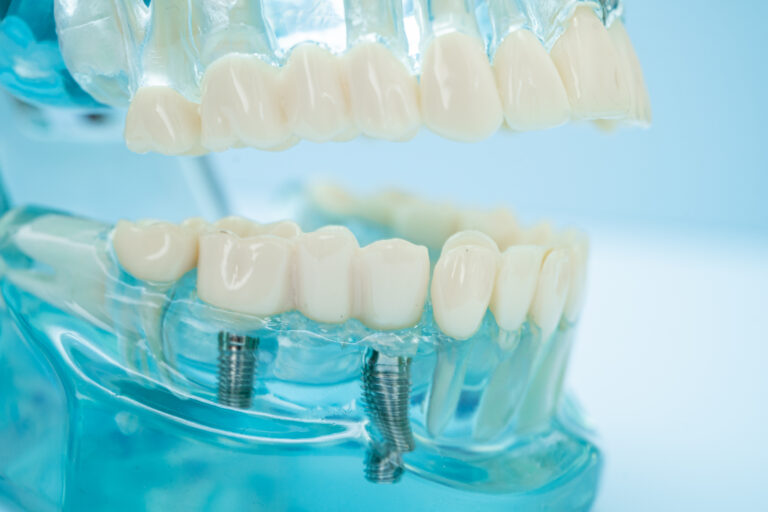
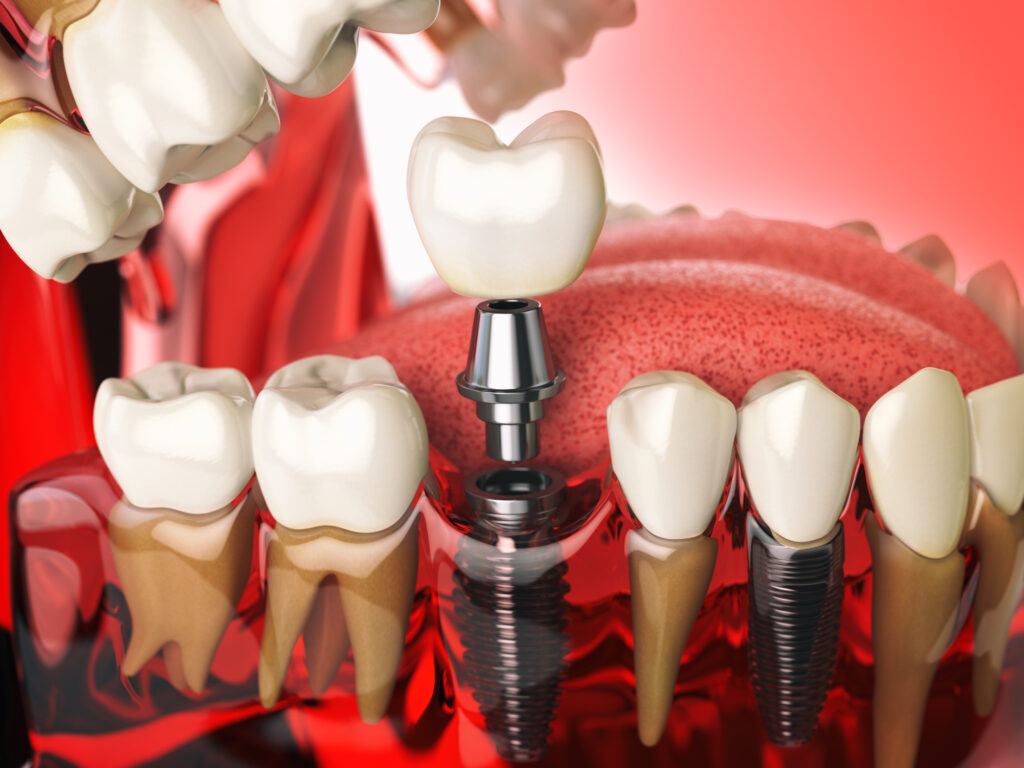
Tooth Extraction: In extreme cases where the tooth is beyond repair, extraction may be required. Following extraction, the missing tooth can be replaced with a dental implant, bridge, or partial denture to maintain proper alignment.